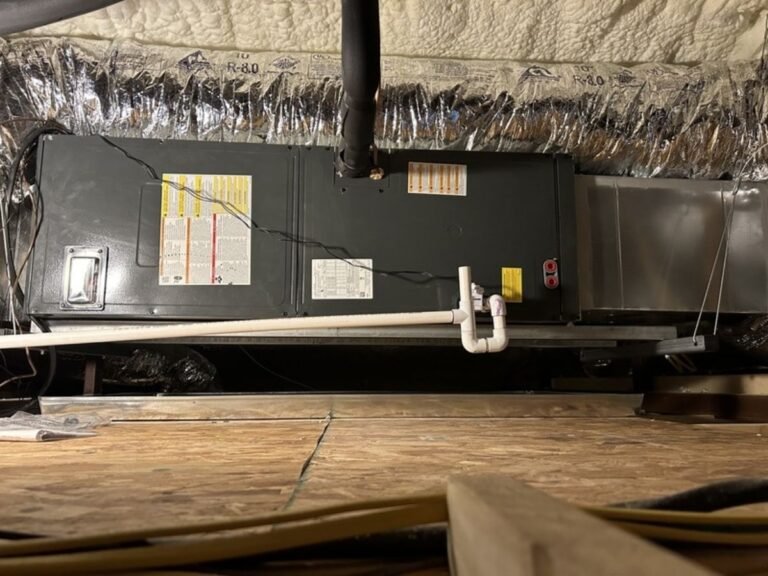
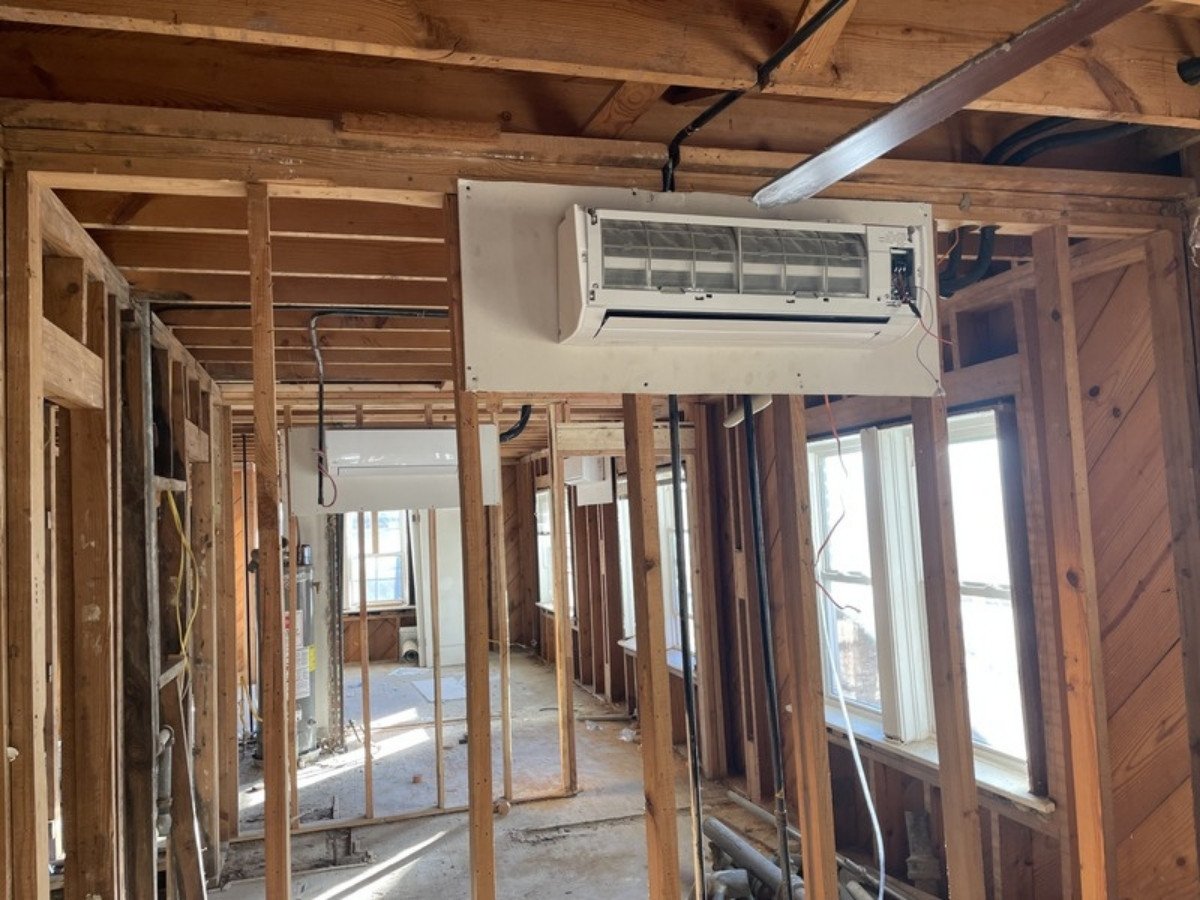
It’s 11 p.m., the wind is howling across the metro, and the house is getting colder by the minute. The furnace is either silent or running without putting out any heat. Before you panic, take ten minutes and go through this checklist. A lot of no-heat calls in Oklahoma City turn out to be simple fixes you can handle yourself.
This guide covers what to check, what to leave alone, and how to keep your family safe and warm until emergency heating repair in Oklahoma can get to you.
First, rule out a safety problem
Safety comes before comfort. Stop and get out of the house if any of these are true:
- You smell gas (a rotten egg or sulfur smell). Don’t flip switches, light anything, or use your phone inside. Leave the house and call your gas utility or 911 from outside.
- Your carbon monoxide alarm is going off, or people in the home have headaches, dizziness or nausea that ease when they step outside.
- You see scorch marks, smell burning plastic or wiring, or see smoke coming from the furnace.
If none of these apply, move on to the checklist below.
The 8-point no-heat checklist
1. Check the thermostat
Make sure the thermostat is set to Heat, not Cool or Off, and that the set temperature is a few degrees above the room temperature. If it runs on batteries and the screen is blank or dim, swap them out.
2. Look at the breaker and the furnace switch
Find the breaker labeled furnace or HVAC in your electrical panel. If it has tripped, flip it fully off, then back on. Next, look near the furnace for a switch that looks like a regular light switch and make sure it’s on. If the breaker trips again right away, leave it off. That points to an electrical problem that needs a pro.
3. Replace a clogged filter
A filter packed with dust chokes airflow. The furnace can overheat and shut itself down as a safety measure. Pull the filter out and hold it up to a light. If you can’t see light through it, replace it. During Oklahoma winters, when the system runs for long stretches, a 1-inch filter may need changing every month.
4. Check that the furnace door is closed tight
Most furnaces have a safety switch on the lower access panel. If the panel is loose or was put back crooked after a filter change, the furnace won’t start. Press it firmly into place and listen for it to try to fire up.
5. Look for an error code
Many newer furnaces have a small window on the lower panel with a blinking light. Count the blinks and match them to the code chart on the inside of the door. Write it down for the technician.
6. Check the outdoor unit if you have a heat pump
Heat pumps pull heat from outdoor air. After an ice storm, ice can build up on the coils. A thin layer of frost is normal and the unit will melt it off on its own with a defrost cycle. A thick block of ice on the coils or fan is not normal. Don’t chip at it with anything sharp. Gently clear snow and ice away from the base, and switch the thermostat to Emergency Heat until it can be looked at.
7. Clear the vents and returns
Walk through the house and make sure supply vents are open and not blocked by furniture, rugs or holiday decorations. Keep the big return grilles clear too.
8. Check the condensate line on high-efficiency furnaces
High-efficiency furnaces make water as they run. It drains through a small plastic pipe. If that line clogs or freezes on a hard freeze night, a float switch shuts the furnace off. Look for water around the base of the furnace or a full pump reservoir. A frozen line near an outside wall is a common cause of no heat on the coldest Oklahoma nights.
What not to do
Some fixes are best left to a licensed technician:
- Don’t keep restarting a furnace that shuts off after a few minutes. Short cycling usually means a safety switch is doing its job.
- Don’t remove the burner cover, touch the igniter, or try to light a pilot on a gas valve you aren’t familiar with.
- Don’t bypass a safety switch to get heat back.
- Don’t use an oven or a gas grill to heat the house. Both can fill a home with carbon monoxide.
How to stay warm until help arrives
If the furnace still won’t run, here’s how to hold onto heat overnight:
- Close doors to rooms you aren’t using and gather everyone in one or two rooms.
- Use space heaters that shut off when tipped over, keep them three feet from anything that can burn, and plug them straight into the wall rather than an extension cord.
- Open cabinet doors under sinks on outside walls and let faucets drip to keep pipes from freezing.
- Check on pets, older family members and babies, who feel the cold first.
Why Oklahoma winters are hard on heating systems
Oklahoma weather swings fast. A 60-degree afternoon can turn into a teens-and-wind night after a cold front comes through. Furnaces that sat quiet for weeks suddenly run for hours, which is when worn igniters, weak flame sensors and dirty filters fail.
That’s why a fall tune-up matters. A technician can catch a cracked igniter or a dirty flame sensor in October, before it leaves you without heat on the coldest night of the year.
When to call Oklahoma Climate Solutions
If you’ve worked through the checklist and still have no heat, it’s time to call a pro. Have this ready when you call: the error code if there is one, what the furnace does when it tries to start, and the age of the system if you know it.
Oklahoma Climate Solutions is a family-owned HVAC company based in Moore. We handle furnace and heat pump repair across Oklahoma City, Edmond, Moore, Norman and the surrounding metro, and we hold Oklahoma State Limited HVACR Mechanical Contractor License #00184844. Learn more about our Heating and Air OKC services, or see our page for HVAC service in Edmond, OK.
Reach out to our team or book online to get your heat back on.
FAQ
What counts as a heating emergency?
A gas smell, a carbon monoxide alarm, burning smells or smoke from the furnace are emergencies. Leave the house and call the gas utility or 911. No heat when temperatures drop below freezing, especially with young children, older adults or freezing pipes at risk, also needs prompt repair.
Why does my furnace turn on and then shut off after a few minutes?
The most common causes are a clogged filter, a dirty flame sensor, or blocked vents that make the furnace overheat. If a new filter doesn’t fix it, a technician should check the flame sensor and safety switches.
Should I use Emergency Heat on my heat pump?
Use Emergency Heat when the outdoor unit is iced over, damaged or not running. It uses backup electric heat, which costs more to run, so switch back to normal Heat once the heat pump is repaired.
How can I prevent a no-heat night this winter?
Change the filter monthly during heavy use, keep the outdoor unit clear of leaves and ice, test your carbon monoxide alarms, and schedule a furnace tune-up in the fall before the first hard freeze.