An HVAC maintenance checklist before winter comes down to ten jobs: replace the filter, test the thermostat, clear the vents, clean around the furnace, check the outdoor unit, test your smoke and carbon monoxide alarms, run the heat for a test cycle, listen and look for warning signs, check the flue and exhaust, and book a professional tune-up. Most take a few minutes and you can do them yourself.
Oklahoma winters are hard to predict. We can see 70 degrees on Tuesday and an ice storm by Friday, so your heating system needs to be ready before the first real cold snap, not during it. Here is the checklist we would walk through in our own homes.
1. Replace the air filter
This is the single most useful thing you can do. After a long cooling season, the filter is usually packed with dust, pollen and red dirt. A clogged filter makes the blower work harder, cuts airflow and can cause the furnace to overheat and shut itself off.
Check the size printed on the filter frame, buy the same size, and match the arrow on the frame to the direction of airflow. Most 1-inch filters need replacing every one to three months during heavy use. If you have pets or someone in the house with allergies, check it monthly.
2. Test the thermostat
Switch the thermostat from cool to heat and set it five degrees above the room temperature. The furnace should start within a minute or two and the vents should begin to blow warm air shortly after.
If you have a programmable or smart thermostat, replace the batteries if it uses them, check that the date and time are right, and review the schedule. A schedule built for summer routines can leave you with a cold house in the morning or a heated empty one all day.
3. Open and clear every vent and register
Walk through the house and check each supply vent and return grille. Make sure rugs, furniture, curtains and boxes are not blocking them. Closing vents in unused rooms does not save money on most systems. It raises pressure in the ducts and can lead to leaks and uneven heating.
Vacuum out the grilles while you are there. Small toys, paper and pet hair collect surprisingly fast.
4. Clear the area around the furnace
Furnaces need room to breathe. Move boxes, paint cans, cleaning products, holiday decorations and anything else stored close to the unit, especially in garages, closets and attic platforms. Anything flammable should stay well away from the burners and flue.
If the furnace sits in an attic or garage, wipe away loose dust and debris on and around the cabinet. Oklahoma wind carries fine soil into these spaces all year.
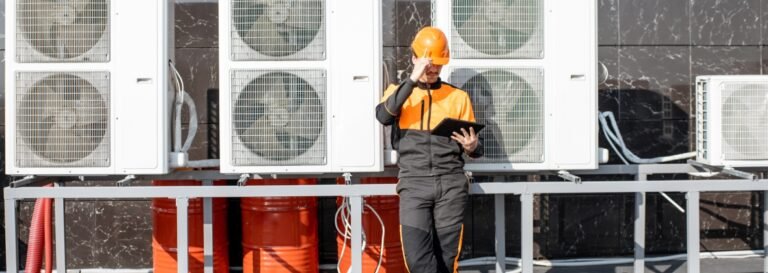
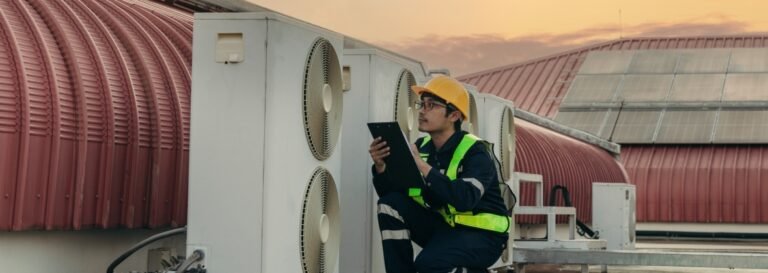
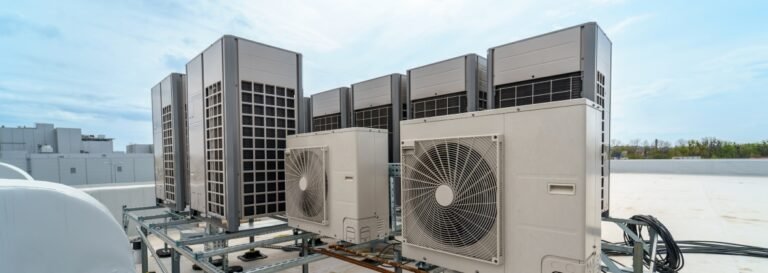
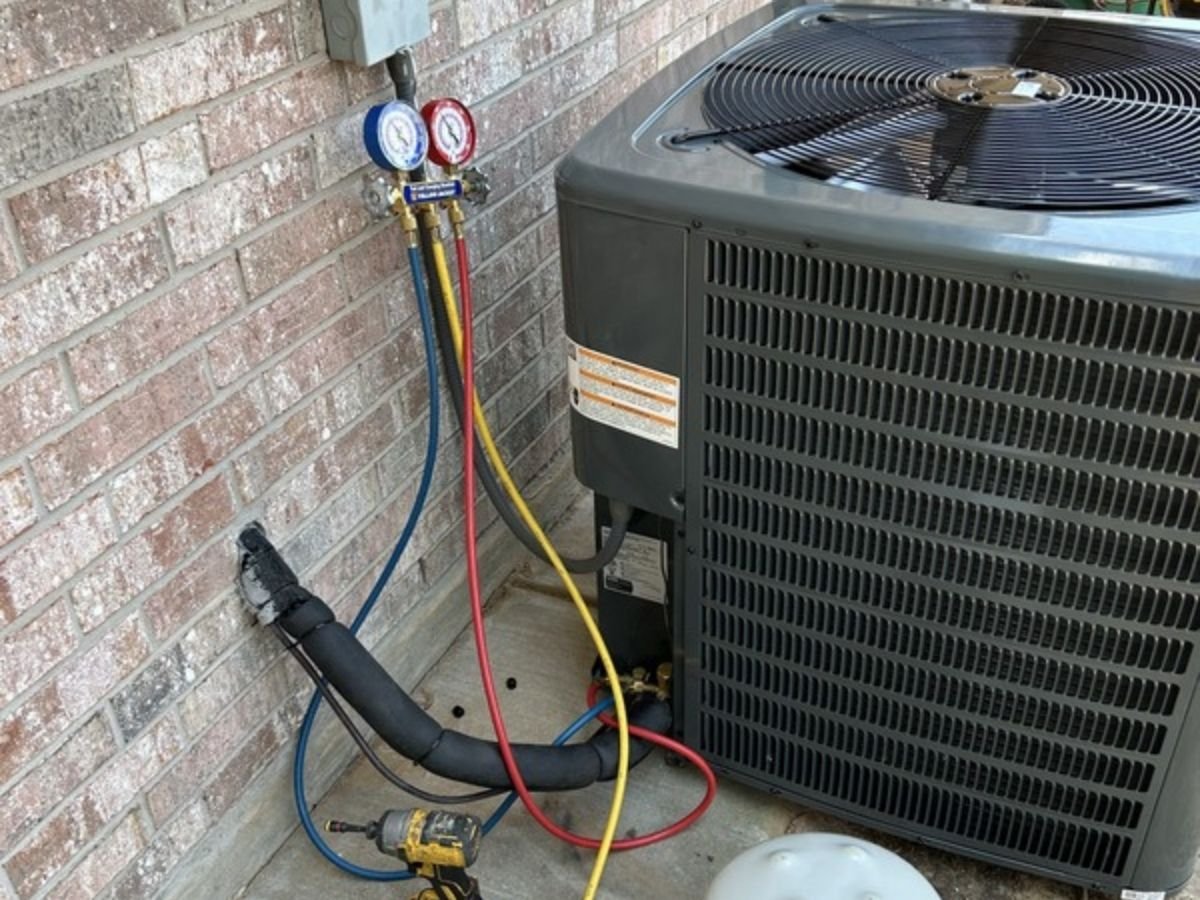
5. Check the outdoor unit
If you have a heat pump, the outdoor unit does the heating, so it matters now. Even with a standard air conditioner, a covered or buried unit can suffer damage over winter.
Clear leaves, sticks and debris from the unit and trim plants back at least two feet. Look for ice or heavy frost buildup during cold mornings. Some frost on a heat pump is normal, but a thick block of ice means it needs a technician. Do not chip at the coil, because that can puncture it.
6. Test smoke and carbon monoxide alarms
Carbon monoxide has no smell, and a faulty heating system is one of the common sources. Every home with a gas furnace, a fireplace or an attached garage should have working CO alarms on every level and near the bedrooms.
Press the test button on each smoke and CO alarm, and replace batteries now. Alarms also expire, usually after five to ten years for smoke alarms and five to seven for CO alarms, so check the date printed on the back.
7. Run the heat for a full test cycle
Do not wait for the first freezing night to find out whether the furnace works. On a mild afternoon, run the heat for 15 to 20 minutes with a window cracked. A faint dusty burning smell the first time is normal and usually fades within an hour.
While it runs, walk around the house. Check that every room gets warm air, and that the furnace starts, runs and shuts off in a normal cycle without repeated short bursts.
8. Listen and look for warning signs
Pay attention to anything that is different from last winter:
- Banging, squealing, rattling or grinding noises
- A burning smell that does not fade after the first day
- Uneven heat from room to room
- Short cycling, where the furnace turns on and off every few minutes
- A yellow or flickering burner flame instead of a steady blue one
- Higher energy bills with no change in how you use the heat
Any one of these is a good reason to schedule a visit before the weather turns. Small problems tend to become no-heat calls on the coldest night of the year.
9. Check the flue, exhaust and intake
Gas furnaces vent exhaust outdoors, and high-efficiency models also pull in outside air through a pipe. Look at the vent pipes outside your home and make sure nothing blocks them, such as leaves, a bird nest or snow later in the season.
Inside, look at the flue pipe from the furnace. If you see rust streaks, loose joints or gaps, do not run the furnace until a technician checks it. A leaking flue can send exhaust into the house.
10. Book a professional tune-up
The first nine steps keep your system running well, but a technician checks what you cannot. A professional visit typically covers cleaning the burners, testing the igniter and flame sensor, inspecting the heat exchanger for cracks, checking electrical connections, measuring airflow and testing safety controls.
Fall fills up fast. Once the first freeze hits, appointment calendars tighten across the metro, so scheduling in October or early November gives you the best choice of times.
When to call Oklahoma Climate Solutions
Oklahoma Climate Solutions is a family-owned heating and air company based in Moore, licensed as an Oklahoma State Limited HVACR Mechanical Contractor (License #00184844). If you would like a professional to go through your system before winter, our HVAC contractors in Oklahoma City cover the metro, including HVAC service in Edmond, Moore, Norman, Midwest City and nearby towns.
If you find a problem while working through this list, reach out to book a visit. We will find the cause and explain your options before any work starts.
Frequently asked questions
When should I do HVAC maintenance before winter in Oklahoma?
Ideally in October or early November, before the first hard freeze. Doing it on a mild day means you can fix problems before you depend on the heat.
How often should I change my furnace filter?
Every one to three months for most 1-inch filters during heating season. Check it monthly if you have pets, allergies or a dusty home, and replace it when it looks gray and packed.
Can I do my own HVAC maintenance?
Yes, for the simple jobs: filters, vents, clearing space, thermostat checks and alarm tests. Anything involving gas, wiring, the burners or the heat exchanger should be left to a licensed technician.
How do I know if my furnace needs repair before winter?
Look for odd noises, uneven heating, short cycling, a smell that does not fade, a yellow burner flame or rising energy bills. Any of these is worth having checked early.